Why WhatsApp Groups Make It Harder for Project Managers to Control Their Sites
17 min read

A construction project manager can be part of ten WhatsApp groups, receive hundreds of messages every day, and still struggle to answer one simple question: What's actually happening on site?
The site engineer shares progress photos. A subcontractor reports a delay. Someone asks about a material delivery, while another sends a voice note about an issue that needs attention. The information is there, but finding the right update and following up on it can take more time than it should.
WhatsApp makes it easy for construction teams to stay in touch. But keeping everyone connected doesn't necessarily mean keeping a project under control. When important updates, decisions, and site records are scattered across different conversations, managers can quickly lose sight of what's happening.
Why WhatsApp Became the Default Communication Tool on Construction Sites
It's easy to understand why construction teams use WhatsApp. Almost everyone knows how it works. Workers can send messages, share photos, make calls, and record voice notes without having to learn a new system.
For teams working across different locations and shifts, that convenience is hard to ignore.
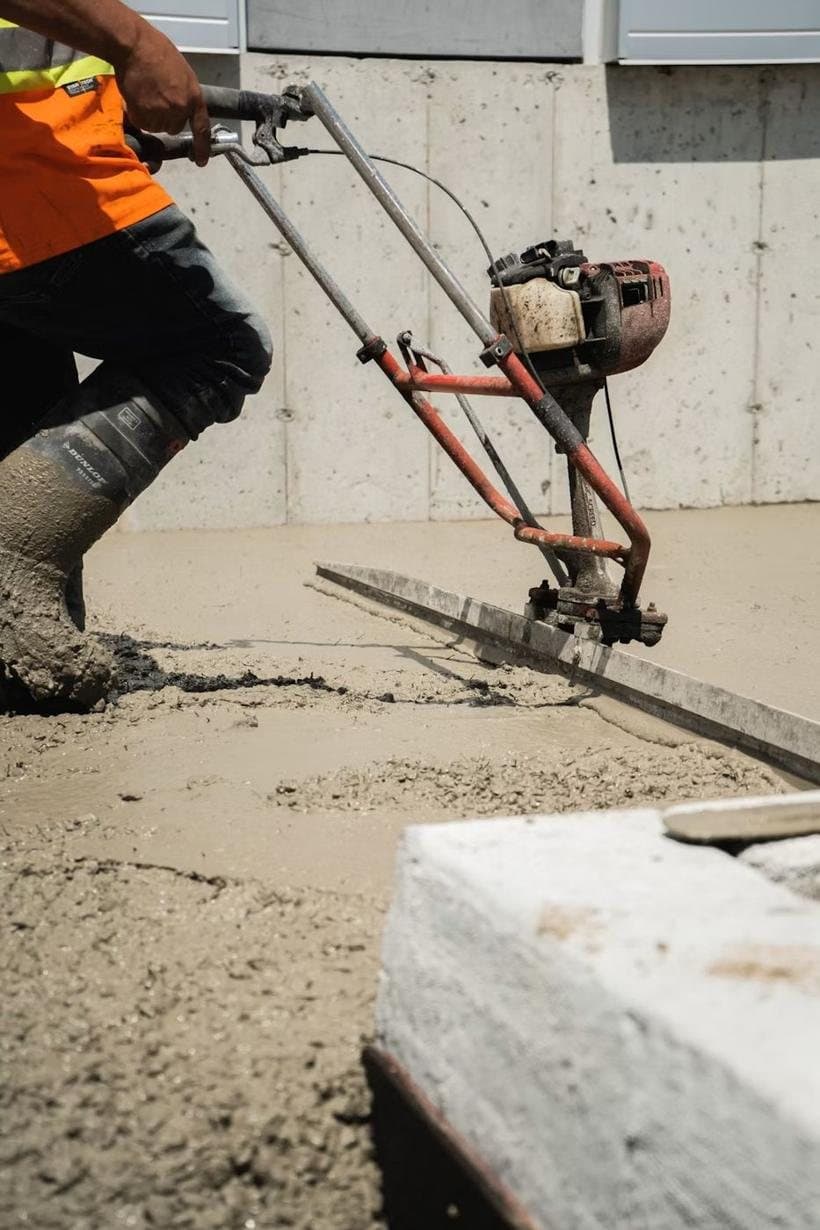
A site supervisor can report that a concrete pour has started. An electrician can send photos of completed installation work. A subcontractor can let the project manager know about a delivery delay without waiting for a formal meeting.
Everything happens quickly, and nobody needs much training.
The trouble starts when teams begin using those same conversations to manage almost every part of the project.
Daily progress updates, material requests, inspection photos, site instructions, approvals, and complaints all end up in the same groups. Before long, the WhatsApp chat becomes the place where everyone expects to find project information.
But conversations aren't organised project records. They don't automatically connect updates to specific activities, assign responsibility, or show whether an issue has been resolved.
That's where a tool that once made communication easier can start making site management harder.
7 Ways WhatsApp Groups Are Taking Control Away from Project Managers
1. Important Site Updates Get Buried in Endless Conversations
Picture a project manager overseeing a commercial building. There are separate WhatsApp groups for structural work, electrical installation, plumbing, procurement, and general site coordination.
Messages keep coming throughout the day. Workers share photos, supervisors ask questions, suppliers confirm deliveries, and subcontractors report progress.
Somewhere in all that activity, an important update gets missed.
It might be a delay in reinforcement work or a consultant's request to correct something before the next inspection. The message was sent, perhaps even acknowledged, but it has since disappeared beneath dozens of newer conversations.
When the manager needs that information again, they have to scroll back, search for a keyword, or ask someone to send it again.
One missed update might not seem like a big deal. But when the same thing happens across several groups and multiple projects, it becomes a daily frustration.
WhatsApp is built around conversations. Project managers need something that organises information around jobsites, activities and decisions.
2. Receiving Progress Updates Doesn't Mean You Can Track Progress
A photograph of completed work is useful. It gives the project manager a glimpse of what's happening on site. But it doesn't necessarily tell them whether the work is progressing according to schedule.
For example, a subcontractor shares photos of electrical installation on the third floor. The manager sees them and knows some work has been completed.
But what about the rest?
Which areas are actually finished?
How much work is still outstanding?
Has the installation been inspected?
Are there any defects that need attention?
Is the next activity ready to begin?
A photo in a WhatsApp group rarely answers all these questions.
This is why receiving regular updates and having a clear picture of project progress are two different things. Managers need information connected to actual activities, milestones, inspections, and outstanding work.
Otherwise, they may feel well-informed simply because their phones keep buzzing, even when they don't have a reliable view of the project's progress.
3. Nobody Clearly Owns Unresolved Site Issues
Here's a situation most project managers will recognise.
During a site inspection, a manager notices a defect in the finishing work. They take a photo, share it in the relevant WhatsApp group, and ask the subcontractor to fix it.
Someone acknowledges the message. Another person says they'll look into it. A few more messages follow, and the conversation moves on.
Three days later, the defect is still there.
What went wrong? Was someone specifically assigned to fix it? Was there a deadline? Did anyone check whether the work was completed?
A WhatsApp message can make everyone aware of a problem, but awareness isn't the same as accountability.
Every outstanding site issue needs someone responsible for it, a reasonable deadline, and a way to confirm that the work has been completed.
Without that follow-through, project managers end up chasing people for updates and checking the same issues repeatedly.
4. Site Photos Lose Their Context
Construction photographs are useful records. They show completed work, material deliveries, defects, safety concerns, and progress at different stages of a project.
But a photograph without context can be surprisingly difficult to use.
Imagine a site supervisor sending a picture of reinforcement work to the project group. The project manager saves it, but there's no clear reference to the floor, building section, activity, or inspection.
A few weeks later, someone asks for evidence of the reinforcement condition before the concrete was poured.
Now the manager has to search through hundreds of photos to find the right one.
The problem isn't necessarily that the team failed to capture context. It's that photographs and their related information aren't consistently organised around the site, location, and activity they document.
For construction teams, knowing where and when a photo was taken matters. Linking it to the relevant site, floor, and work activity makes it much easier to retrieve and understand.
5. Decisions and Approvals Become Difficult to Verify
Construction projects involve decisions every day.
A consultant requests a change. A project manager gives an instruction. A subcontractor asks for clarification. A client approves a particular finish.
Many of these discussions happen in WhatsApp groups because it's quick and convenient.
The difficulty often appears later.
Imagine a subcontractor claiming that additional work was requested two weeks ago. The project manager remembers discussing it, but the original conversation is buried somewhere in a busy group.
Was the work formally approved? Was the instruction clear? Did the person giving it have the authority to approve the change?
These are important questions, particularly when a project involves variations, additional costs or contractual disagreements.
A WhatsApp message may provide evidence of what was discussed or communicated. However, whether it constitutes a valid contractual instruction, approval, or notice depends on the project's contract requirements and applicable procedures.
The Chartered Institute of Building (CIOB) discusses the importance of information management and accountability in digital construction.
For project managers, the practical lesson is simple: important decisions need to be recorded through the appropriate project procedures. They shouldn't depend on someone remembering an old conversation or finding a message months later.
6. Multiple WhatsApp Groups Create Information Silos
Setting up separate WhatsApp groups for different trades and activities can seem like a sensible way to organise communication.
One group handles procurement, another covers electrical work, another is for subcontractors, and senior management has its own group.
The problem is that project activities don't happen in isolation.
A procurement delay can affect the installation schedule. A design clarification might hold up a subcontractor. A quality issue may need input from the site engineer, consultant, and project manager.
If each team discusses its own problems in separate groups, someone has to connect all the information.
More often than not, that responsibility falls on the project manager.
Instead of getting a clear picture of the project, they spend time moving between conversations and working out how one update affects another.
Organising communication around jobsites and activities, with access for the people who need the information, makes project coordination easier to manage.
7. Project Managers Become Full-Time Message Chasers
This may be the most frustrating part of relying on WhatsApp for site management.
Project managers are hired to coordinate work, manage resources, resolve problems, and keep projects moving. Yet a surprising amount of their time can disappear into checking messages and chasing information.
Their day starts with catching up on overnight conversations. Later, they ask supervisors to resend missing updates, search for old photos, follow up on unresolved issues, and copy information into spreadsheets.
When management asks for a progress report, they may have to piece together the day's activities from several different groups.
It becomes a routine of collecting information instead of using it to make decisions.
Research published by Autodesk and FMI in the Construction Disconnected report found that poor project data and miscommunication accounted for 48% of rework in the surveyed US construction projects.
The same research estimated that construction professionals spent more than 14 hours per week on non-optimal activities, including searching for project information, resolving conflicts, and dealing with rework.
These figures come from a 2018 industry study. They don't measure WhatsApp's impact specifically, but they show how much poor information management can cost construction teams.
Read the Autodesk and FMI research report.
When managers spend so much time trying to find information, they have less time to deal with the work that actually needs their attention.
The Real Cost of Managing Construction Sites Through WhatsApp
The problem isn't just that old messages are difficult to find. It's what happens when the information needed to make decisions isn't available when someone needs it.
A delayed update can hold up a decision. An issue without a clear owner can remain unresolved. A missing photograph or inspection record can make it difficult to establish what happened during a particular stage of work.
Over time, these small problems can affect the wider project.
Some of the consequences include:
Delayed decisions: Managers spend time searching for previous discussions or asking teams to confirm information that should already be available.
Unresolved site issues: Problems are reported in group conversations but aren't always assigned to someone responsible for fixing them.
Repeated work: Teams may misunderstand instructions, miss previous corrections or act on incomplete information.
Weak documentation: Photos, delivery updates and inspection records become difficult to retrieve when clients, consultants or management request evidence.
More administrative work: Managers spend extra hours preparing reports, following up with teams and organising scattered information.
The impact can go beyond daily coordination. It may also become difficult to explain delays, verify completed work, or support project-related claims.
A busy WhatsApp group isn't a substitute for a proper process for communicating instructions, coordinating work, and keeping important site records.
Should Construction Project Managers Stop Using WhatsApp?
Not necessarily.
WhatsApp still has its place on construction sites. It's useful for quick conversations, informal coordination, and reaching someone when an immediate response is needed.
There is no reason to expect every construction team to abandon a tool they're already comfortable using.
The problem is relying on a general messaging app to manage the entire project.
There's a difference between exchanging information and maintaining a reliable project record.
Everyday communication | Structured project management |
A supervisor sends a progress photo. | The photo is linked to its site and location. |
A worker reports a defect. | The defect is assigned to someone with a due date. |
A subcontractor says the work is complete. | Completion is supported by recorded evidence. |
A manager shares an instruction. | The instruction is recorded through the agreed project procedure. |
A supervisor sends a daily update. | A consistent daily report is completed and retained. |
The aim isn't to create more communication channels or give workers another complicated process to follow.
It's to make sure important project information doesn't get lost once a conversation ends.
What Better Construction Site Communication and Control Should Look Like
Construction teams don't necessarily need more messages. They need a better way to manage the information those messages contain.
A few practical changes can make a real difference.
1. Organise Conversations by Jobsite and Topic
Try to keep discussions connected to the project and activity they relate to.
Concrete work, electrical installation, safety concerns, and client coordination shouldn't all compete for attention in one general conversation.
A more organised approach makes it easier for team members to find relevant information without interrupting everyone else.
2. Keep Site Photos Connected to Their Location
A photograph should tell the team more than what the work looks like.
Where was it taken? Which floor or section does it show? When was the work completed?
Recording this context makes photographs much more useful when reviewing previous activities or responding to questions later.
3. Give Every Site Issue a Responsible Person
When a defect or outstanding activity is identified, someone needs to take ownership.
Record who is responsible, when the work should be completed, and how completion will be checked.
This removes the guesswork that often comes with asking about an issue in a group chat.
4. Record Important Decisions Properly
Instructions, variations, inspection approvals, and other project decisions should be documented through the procedures agreed for the project.
Don't assume that an informal message automatically fulfils contractual notification or approval requirements.
Having a clear record helps everyone understand what was agreed and where to find the relevant documentation.
5. Standardise Daily Site Reports
Daily reports shouldn't depend on someone collecting information from several WhatsApp groups at the end of the day.
Set up a consistent process for recording progress, labour, equipment, deliveries, inspections and site conditions.
When every site follows a similar reporting process, managers can review updates more easily and identify problems earlier.
6. Keep Drawings and Project Documents Organised
Site teams need access to the right drawings, permits, reports and other project documents.
Working from an outdated drawing can cause confusion and avoidable mistakes. A proper document management process helps ensure that the team can access the relevant revision and refer to older versions when necessary.
7. Give Management a Clear View of Every Active Site
Project managers and senior management shouldn't have to contact every supervisor just to understand what's happening.
They need a clear view of site activities, completed reports, and outstanding tasks.
When this information is available in one place, it's easier to spot delays, follow up on issues, and decide where attention is needed.
How daftar Helps Project Managers Regain Control of Their Sites
The answer isn't another messaging group. It's a better way to connect everyday site communication with the records, tasks, and follow-up that construction projects depend on.
That's the thinking behind daftar.
daftar is a construction site management app that brings site teams and office teams together. It combines communication, reporting, task tracking, and document management in one place.
Rather than asking construction workers to abandon familiar ways of communicating, daftar gives them a more organised way to share updates and record their work.
Here's how it works in practice.
Keep Site Conversations Organised
With daftar, conversations can be organised around individual jobsites and topics such as concrete work, electrical installation, safety and client coordination.
Important decisions can be pinned, making them easier to find without searching through hundreds of unrelated messages.
Teams can also share photographs, voice notes and files within the relevant conversations.
Learn more about organised construction site communication.
Know Where Site Photos Were Taken
Photographs shared through daftar carry location and time information, including relevant floor details.
This helps project managers and office teams understand which part of the site a photograph represents. Managers can also view active jobsites and their photo activity through the site map.
Explore construction site mapping and photo tracking.
Turn Site Issues Into Assigned Tasks
A reported defect shouldn't disappear into a conversation.
With daftar's planning feature, teams can pin a snag or task directly on a drawing, attach a photograph, assign a responsible person, and set a due date.
The person completing the work can upload a photograph as proof, while the office can see which tasks remain outstanding or overdue.
It's a more practical way to follow an issue from the moment it's identified until the work is completed.
See how construction tasks and snag tracking work in daftar.
Create Consistent, Signed Site Reports
Daily reporting becomes difficult when information has to be collected from several different conversations.
daftar allows site teams to complete reports on their phones, add photographs, collect signatures, and send finished PDFs to the office.
Reports can use company letterheads and include QR-code verification to check whether a copy matches the signed original.
Explore construction site reporting and documentation.
Keep Drawings, Permits and Project Records Together
Project documents should be easy to find when someone needs them.
daftar provides a site-specific place for drawings, permits, photographs and reports. When a drawing is revised, the updated version becomes available to the team, while previous versions remain on record.
This helps office and site personnel work with the right project information and refer back to earlier documents when needed.
Learn more about construction document management.
Find the Reports Your Site Teams Actually Need
Different construction activities require different types of documentation.
A concrete team may need pour checklists and cube test records, while an electrical team may need inspection reports and installation records.
daftar includes more than 30 ready-made report templates covering daily records, quality, safety, materials, commercial activities, and people.
Teams can also customise existing templates or create their own to suit the way they work.
Browse the construction site report templates.
Frequently Asked Questions
1. Why are WhatsApp groups problematic for construction project management?
WhatsApp groups can make construction communication difficult to manage because important updates, photographs, instructions, and decisions become mixed with everyday conversations. Project managers may struggle to retrieve information, track unresolved issues, and maintain consistent project records.
2. Can WhatsApp be used for construction site management?
WhatsApp can be useful for quick communication, sharing photographs, and coordinating daily activities. However, it doesn't provide a complete construction management workflow for assigning tasks, tracking defects, managing drawings, completing structured reports, and maintaining organised site records.
3. How can project managers improve communication on construction sites?
Project managers can improve communication by organising discussions by jobsite and activity, establishing clear reporting procedures, assigning responsibilities, recording important decisions, and keeping project documents accessible. A dedicated construction site management platform can help bring these processes together.
4. How can construction managers track subcontractor responsibilities?
Construction managers should record each outstanding issue or activity with a clearly identified owner, a due date, and a way to verify completion. Assigning tasks and tracking their status helps prevent problems from remaining unresolved in informal conversations.
5. What is the best way to document construction site progress?
A reliable approach combines daily progress reports, dated and location-specific photographs, inspection records, delivery documentation, and signed reports. Using standardised templates makes it easier to maintain consistent records across different sites and project teams.
6. What is a construction site management app?
A construction site management app helps contractors, project managers and site teams coordinate work, communicate, record progress, manage documents and track outstanding activities. Platforms such as daftar bring these functions together so site and office teams can work from a more organised project record.
A Busy WhatsApp Group Doesn't Mean a Well-Managed Construction Site
Construction project managers have more to worry about than keeping people connected. They need to know what's been completed, what still needs attention, who's responsible, and whether the work is on schedule.
WhatsApp can help teams communicate quickly, but important project information needs more structure than a continuous stream of messages.
When progress updates, photographs, decisions, tasks and reports are organised in one place, managers spend less time chasing information and more time managing their projects.
daftar helps construction teams turn everyday site communication into an organised project record they can follow and rely on.
Because a construction site shouldn't be managed by scrolling through group chats. It should be managed with clear information, accountable teams, and records that stay with the project.
Explore daftar and see how it works.